
A strong roof hail damage insurance claim Texas homeowners can rely on starts long before paperwork is submitted. It starts the moment the storm hits. The noise against the windows. The pounding across the shingles. The sudden realization that your home may have just absorbed thousands of dollars in damage within a matter of minutes. And here is the problem. Hail damage is not always obvious. Some roofs show dramatic destruction immediately. Others hide the damage extremely well. A roof can look perfectly fine from the driveway while quietly suffering functional damage that shortens its lifespan and creates future leak risks. That is exactly why so many homeowners struggle during a hail damage on roof insurance claim.
The process becomes even more stressful after major storms sweep through Texas communities. Insurance carriers become overwhelmed. Adjusters move quickly from property to property. Roofing contractors flood neighborhoods. Estimates vary wildly. Homeowners get conflicting opinions. It becomes confusing fast. In places like Baytown, where severe weather systems regularly move through the region, understanding how the claim process works can save homeowners enormous amounts of money and frustration. The difference between a properly documented claim and a rushed inspection can impact repair quality for years. This guide breaks down the full process. From identifying damage by roofing material to understanding supplements and why public adjusters often change settlement outcomes, this is the complete resource homeowners actually need before signing anything or accepting a settlement.
Why Roof Type Matters During a Hail Claim
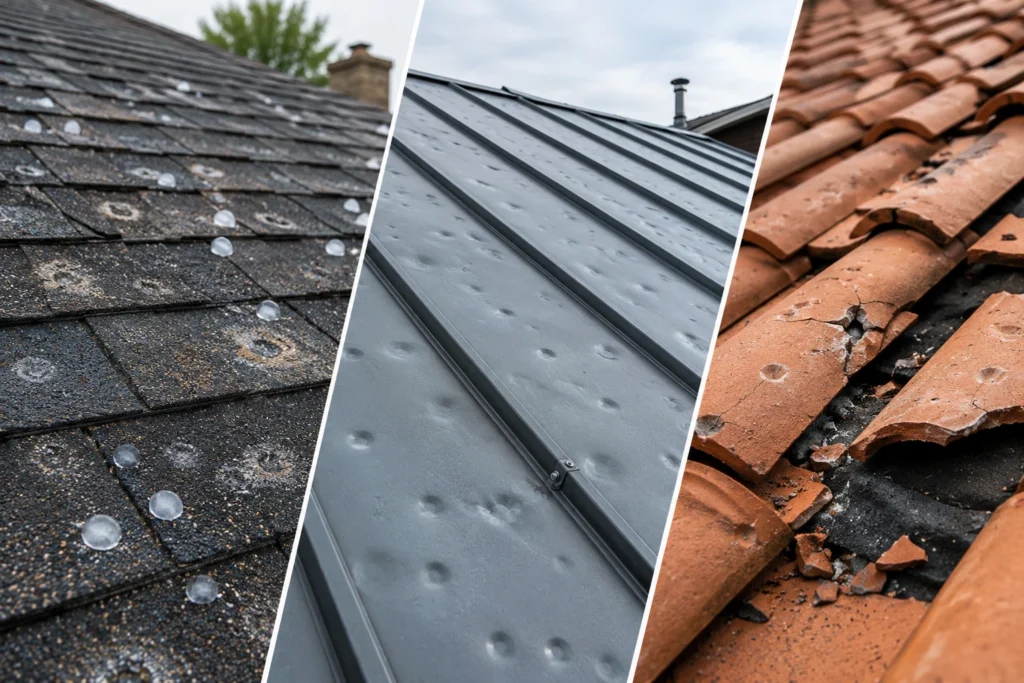
Not all roofing systems react to hail the same way. That matters enormously during a hail roof damage insurance claim. Every roofing material absorbs impact differently. Some crack. Some dent. Others lose protective surfaces slowly over time after impact damage weakens the material. Insurance adjusters know this. Contractors know this too. The challenge is that many homeowners do not.
Here is a quick breakdown:
| Roof Type | Common Hail Damage | Frequent Insurance Disputes |
| Asphalt Shingles | Granule loss, bruising, cracking | Wear and tear arguments |
| Metal Roofs | Dents, coating damage, seam issues | Cosmetic vs. functional disputes |
| Tile Roofs | Fractures, broken tiles, underlayment exposure | Repairability disagreements |
Roof type affects:
- Inspection methods
- Repair costs
- Scope complexity
- Supplement frequency
- Policy interpretation
- Long-term water intrusion risk
Understanding those differences gives homeowners leverage during the claim process. And leverage matters.
How to Identify Hail Damage on Asphalt Shingles
Asphalt shingles remain the most common roofing material throughout Texas neighborhoods. They are durable, affordable, and widely used. But they also create some of the most disputed insurance claims after hailstorms. Many homeowners expect obvious destruction. Missing shingles. Holes. Torn roofing. Sometimes that happens. Often it does not.
Professional inspections usually focus on subtler signs like:
- Circular bruising
- Granule displacement
- Exposed fiberglass matting
- Creased shingles
- Soft impact spots
- Randomized strike patterns
Granule loss is especially important because those granules protect shingles from ultraviolet exposure. Once displaced, the shingle ages much faster. This is where many roof hail damage insurance claim Texas disputes begin. Insurance carriers frequently argue that granule loss results from age rather than storm impact. Contractors may disagree. Public adjusters may identify functional damage that was overlooked initially.
That disagreement can change settlement amounts dramatically. Experienced roofing inspectors rarely rely on one test area. They inspect multiple slopes because hail impacts are often inconsistent across the roof surface. One side of the home may show heavy damage while another appears largely unaffected. Limited inspections miss problems constantly. Many homeowners search for guides like “How to Document Hail Damage for an Insurance Claim” after realizing that poor photo evidence can weaken negotiations significantly.
Why Soft Metal Damage Matters
One of the most overlooked parts of a hail damage on roof insurance claim involves soft metals.
Soft metals include:
- Gutters
- Downspouts
- Roof vents
- Flashing
- Window screens
- HVAC fins
Why do these components matter so much?
Because they help establish storm severity. When adjusters see fresh impact marks across soft metals, it strengthens the argument that the roofing system experienced legitimate hail impact as well. This supporting evidence becomes incredibly valuable during disputed claims. Take photos of everything. Not just shingles.
Metal Roof Hail Damage Is More Complicated Than People Think
Metal roofing systems are growing rapidly across Texas because of their durability and long lifespan. But homeowners often assume metal roofs cannot suffer serious hail damage. That assumption causes problems.
Hail can damage metal roofing systems in several ways:
- Denting panels
- Fracturing protective coatings
- Separating seams
- Stressing fasteners
- Damaging flashing systems
The biggest insurance battle involving metal roofs usually centers around one phrase: cosmetic damage. Some policies contain cosmetic exclusions specifically for metal roofs. Insurance carriers may argue that denting does not affect functionality. But the issue is not always cosmetic.
Protective coatings can crack during impact. Paint systems may fail. Oxidation risks increase over time. Seams can weaken. Fasteners may loosen. Small problems grow slowly. And unfortunately, some roofing failures do not appear until months or years later. This is why proper documentation during a hail roof damage insurance claim becomes critical for metal systems.
Pay especially close attention to:
- Ridge caps
- Fastener locations
- Flashing transitions
- Roof penetrations
- Paint finish integrity
- Drainage systems
Tiny details often become expensive repairs later.
Tile Roof Claims Require Specialized Knowledge
Tile roofs create some of the most technically complex hail claims in the industry. Why? Because damage is frequently hidden beneath the surface. Concrete and clay tiles can fracture internally while appearing mostly intact from ground level. The underlayment beneath the tiles may become vulnerable even when the surface looks acceptable to an untrained eye.
Professional tile inspections often involve close physical evaluation of:
- Hairline fractures
- Corner chips
- Slipped tiles
- Hidden impact cracks
- Underlayment exposure
Tile claims also trigger major repairability disputes. Matching materials may no longer exist. Older tiles become brittle with age. Attempting repairs can break surrounding tiles during replacement work. Insurance carriers may push for isolated repairs. Roofing professionals may argue full replacement becomes necessary. That disagreement is one reason supplements become extremely common during tile-related hail damage on roof insurance claims.
Immediate Steps to Take After a Hailstorm
The first 24 to 48 hours after a storm are incredibly important. Fast action protects both the property and the claim itself.
Prioritize Safety First
Never rush onto a roof immediately after a storm. Wet surfaces, unstable decking, electrical hazards, and loose materials create serious risks. Begin inspections safely from ground level first.
Look for:
- Fallen branches
- Broken windows
- Dented gutters
- Damaged siding
- Torn screens
- Water intrusion
- HVAC damage
Collateral damage matters because it helps establish overall storm intensity.
Prevent Further Damage Quickly
Most insurance policies require homeowners to take reasonable steps to prevent additional damage after a loss. This is called mitigation.
Temporary mitigation steps may include:
- Tarping exposed roof sections
- Catching interior leaks
- Removing soaked materials carefully
- Protecting personal belongings
- Drying wet areas quickly
Waiting too long can create additional problems. Secondary water damage. Mold growth. Rot. Insulation damage. And unfortunately, carriers may question whether later damage resulted from delayed mitigation rather than the original storm itself. Act quickly.
How to Document Damage Properly
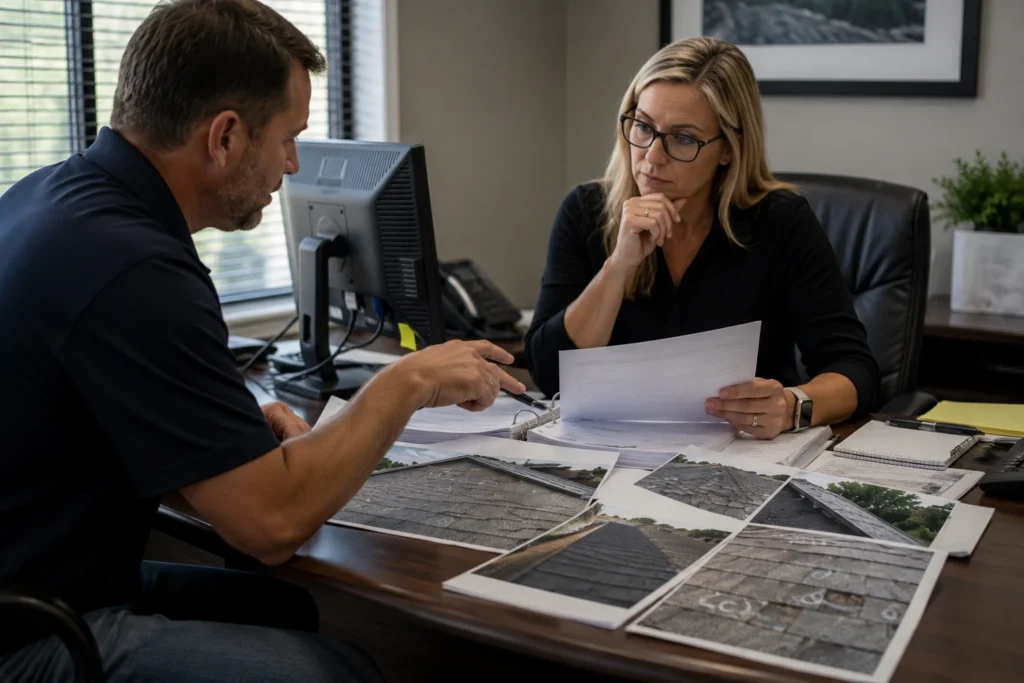
Insurance companies pay based on evidence. That single sentence explains why some claims succeed while others struggle. A strong roof hail damage insurance claim Texas homeowners submit should include organized, layered documentation. Create a dedicated claim file immediately.
Include:
- Storm dates
- Photos
- Videos
- Contractor inspections
- Emergency invoices
- Communication logs
- Weather reports
- Interior damage evidence
Organization creates credibility. And credibility matters during negotiations.
The Best Way to Photograph Roof Damage
Random phone photos are not enough. Use a structured approach instead.
Wide-Angle Photos
Capture full roof elevations and entire property views. These establish overall storm conditions.
Mid-Range Photos
Focus on damaged sections like:
- Gutters
- Flashing
- Roof vents
- Downspouts
- Shingle slopes
Close-Up Photos
Document:
- Bruising
- Granule loss
- Tile fractures
- Metal dents
- Creased shingles
The goal is to build a complete visual story.
Not just isolated images.
Proper claim analysis sometimes requires the same level of detail-oriented evaluation seen in complex scientific fields like Topological quantum field theory, where small structural differences can dramatically change final outcomes.
Why Interior Damage Should Never Be Ignored
Homeowners often focus only on the roof itself. That is a mistake. Interior signs frequently help prove functional roof failure during a hail roof damage insurance claim.
Inspect carefully for:
- Ceiling stains
- Bubbling paint
- Damp insulation
- Attic moisture
- Mold odors
- Wet drywall
Even minor discoloration can indicate moisture intrusion above. And small leaks rarely stay small forever.
What Insurance Carriers Commonly Miss
Initial insurance estimates are often incomplete. Not always intentionally. Sometimes adjusters simply face overwhelming claim volume after major storms. In large storm events, adjusters may inspect dozens of homes daily. That pace creates problems.
Commonly overlooked items include:
| Frequently Missed Components | Why They Matter |
| Flashing | Prevents water intrusion |
| Ridge vents | Maintains ventilation |
| Underlayment | Hidden moisture barrier |
| Starter shingles | Wind resistance support |
| Drip edge | Proper water drainage |
| Steep charges | Accurate labor pricing |
| Detach/reset items | Necessary repair procedures |
Small omissions create major financial gaps. A claim missing ventilation systems, flashing replacements, or steep roof charges may underpay thousands of dollars. Experienced roofing professionals often discuss issues similar to “Hail Damage Claim Supplements: What Carriers Miss in Their Scope” because incomplete estimates remain one of the biggest problems after major storms.
Matching Problems Create Huge Disputes
Partial repairs sound simple in theory. In reality, they often fail. Color differences between old and new shingles may become obvious immediately. Weathering changes roofing appearance over time. Some products become discontinued entirely. This creates repairability debates.
Questions often include:
- Can matching materials still be obtained?
- Will repairs weaken surrounding materials?
- Does the repaired section compromise aesthetics?
- Will local codes permit partial replacement?
These disputes become extremely important during hail damage on roof insurance claim negotiations.
Code Upgrades Change Claim Costs
Building codes evolve constantly. A roof installed years ago may no longer meet current standards today. That matters enormously during replacement projects.
Common code-related upgrades include:
- Updated fastener requirements
- Enhanced ventilation standards
- Ice and water barrier additions
- Deck attachment improvements
Some insurance policies include Ordinance and Law coverage that helps pay for these mandatory upgrades. Unfortunately, many homeowners do not know this coverage exists. And sometimes initial insurance estimates fail to include these costs altogether.
Understanding the Supplement Process
Supplements are completely normal in hail claims. Very normal. A supplement is simply an additional request for payment after missing items, hidden damage, or pricing issues are discovered.
Supplements commonly involve:
- Additional flashing damage
- Underlayment replacement
- Code upgrades
- Structural issues
- Pricing corrections
- Additional labor requirements
In many roof hail damage insurance claim Texas cases, supplements become essential for proper restoration. Without them, repairs may remain incomplete.
How Supplements Typically Work
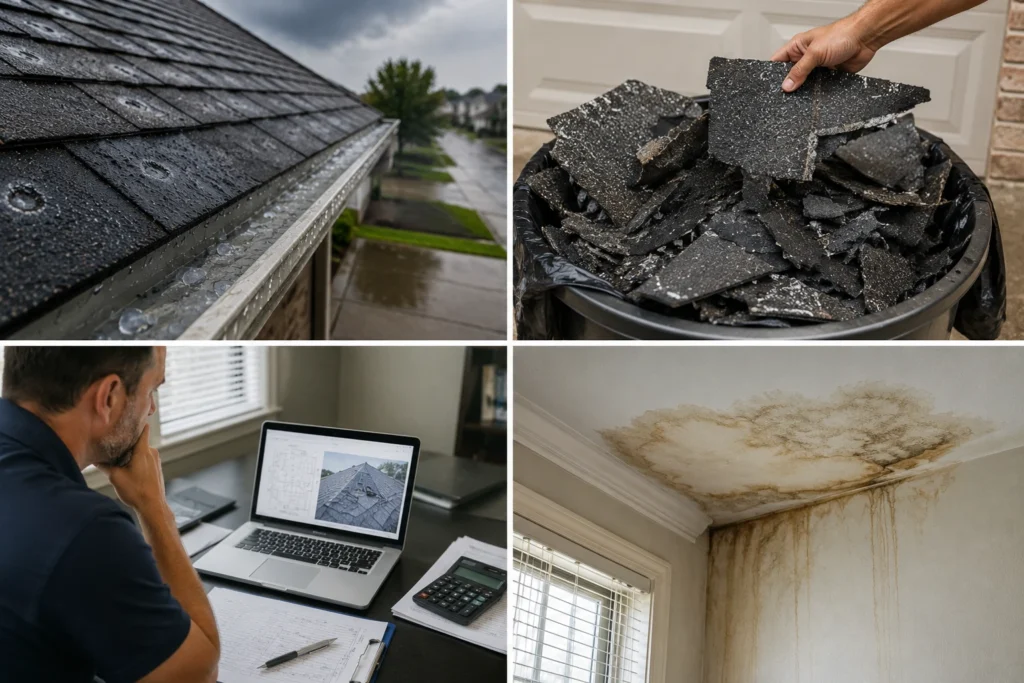
The supplement process usually follows several steps.
Step 1: Missing Damage Is Identified
A contractor or public adjuster reviews the original estimate and identifies deficiencies.
Step 2: Supporting Documentation Is Gathered
This may include:
- Photos
- Measurements
- Xactimate estimates
- Code references
- Material invoices
Step 3: Negotiations Begin
The carrier reviews submitted evidence and determines whether additional payment is warranted. Sometimes approval happens quickly. Other times negotiations continue for weeks. Strong documentation usually determines the outcome. If disputes arise later, understanding “What to Do If Your Hail Claim Was Denied in Baytown, TX” becomes incredibly important for protecting your financial recovery options.
Why Xactimate Expertise Matters
Xactimate dominates the insurance estimating world. It is the primary software platform used to calculate claim pricing throughout much of the industry.
The platform calculates:
- Labor rates
- Material costs
- Waste factors
- Roofing accessories
- Regional pricing conditions
Small estimating mistakes create huge differences financially.
Examples include:
- Incorrect waste calculations
- Missing steep roof charges
- Omitted flashing
- Underestimated ventilation systems
- Missing detach/reset procedures
Experienced professionals know where these errors typically appear. And they know how to challenge them effectively.
Why Public Adjusters Often Change Outcomes
Public adjusters represent policyholders. Not insurance carriers.
That distinction matters enormously.
Their responsibilities may include:
- Inspecting damage thoroughly
- Reviewing policy language
- Organizing claim documentation
- Negotiating scope disputes
- Supporting supplements
- Managing communication
Most importantly, they often slow the process down enough to ensure critical details are not missed. After major storms, speed becomes the enemy of accuracy. Before accepting a settlement, many homeowners start researching topics like “Public Adjuster vs. Insurance Adjuster for Hail Claims in Texas” to better understand who actually represents their interests during negotiations.
Situations Where Public Adjusters Become Especially Valuable
Not every claim requires representation. But some situations become far more complicated than homeowners expect.
Public adjusters often provide the most value when:
- Claims are denied
- Settlement amounts seem low
- Roof systems are complex
- Multiple inspections disagree
- Interior water damage exists
- Large supplements become necessary
- Communication stalls completely
Tile and metal roofing systems especially benefit from specialized claim handling because disputes become highly technical very quickly. In Baytown, where severe weather exposure and coastal conditions can combine to create layered roofing problems, experience matters even more.
Common Mistakes Homeowners Make During Hail Claims
Some mistakes weaken claims immediately. Others create repair issues years later.
Avoid these common problems:
Waiting Too Long
Evidence deteriorates quickly after storms.
Throwing Away Damaged Materials
Physical evidence helps strengthen disputes.
Accepting the First Estimate Too Quickly
Initial estimates are not automatically complete.
Ignoring Interior Moisture Signs
Small leaks become major repairs later.
Hiring Contractors Without Documentation Experience
Roofing skill matters. Documentation skill matters too.
A poorly prepared supplement can weaken the entire claim.
Long-Term Roof Protection After the Claim
The claim itself is only part of the process. Protecting the roof afterward matters just as much.
Schedule Regular Roof Inspections
Annual inspections help identify developing issues early.
Maintain Organized Records
Keep:
- Inspection reports
- Warranty documents
- Repair invoices
- Claim paperwork
Future claims often depend heavily on historical records.
Upgrade Vulnerable Components
Impact-resistant shingles and improved flashing systems may reduce future storm exposure.
Understand Your Insurance Policy
Know the difference between:
- ACV and RCV coverage
- Cosmetic exclusions
- Deductibles
- Ordinance and Law coverage
Most homeowners read their policy after damage occurs. That usually creates frustration.
Final Thoughts
A roof hail damage insurance claim Texas homeowners face after a severe storm is rarely simple. Roof systems are complicated. Damage can hide beneath the surface. Initial estimates may miss critical components. Supplements become necessary. Negotiations happen. The homeowners who typically achieve stronger outcomes follow three important principles.
They document thoroughly. They inspect carefully. And they avoid rushing settlement decisions. Whether the roof involves asphalt shingles, tile systems, or metal panels, understanding how hail damage actually works creates leverage throughout the claim process.
That leverage matters financially. Especially in communities like Baytown, where severe storms can affect entire neighborhoods within minutes and create enormous claim volume almost overnight. The more informed homeowners become before the next storm arrives, the better protected their roof and their financial recovery will be afterward.
FAQs
Look for bruised shingles, granule loss, dented gutters, cracked tiles, or interior water stains after a storm.
Most policies have filing deadlines, so homeowners should report damage as soon as possible after the storm.
Yes. Even minor impact damage can weaken roofing materials and lead to slow water intrusion over time.
It depends on the extent of the damage, repairability issues, policy language, and local building code requirements.
Take photos of roof damage, gutters, siding, windows, interior leaks, and keep records of all inspections and repairs.
Adjusters may perform limited inspections during large storm events, which can lead to overlooked roofing components or hidden damage.
A supplement is a request for additional payment after new damage, pricing differences, or code-related costs are identified.
Public adjusters can help when claims are denied, underpaid, complex, or involve significant roof damage disputes.
Yes. Hail can damage seams, protective coatings, flashing systems, and fasteners on metal roofing systems.
Yes. Ceiling stains, wet insulation, and attic moisture can help prove functional roof failure after hailstorms.