
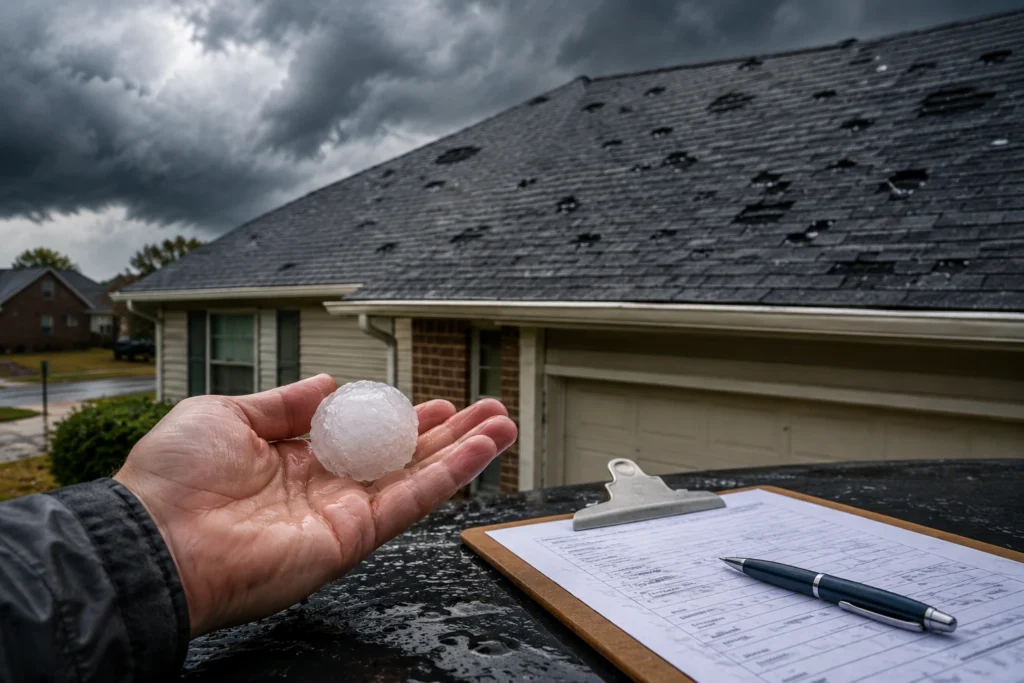
Few things frustrate homeowners faster than discovering roof damage after a major storm, filing a claim, and then receiving a denial letter from the insurance company. It feels personal. Stressful. Expensive. And suddenly, the roof problem you expected insurance to help solve becomes your financial burden instead. If you are searching for What to Do If Your Hail Claim Was Denied in Baytown, TX, you are not alone. Thousands of homeowners across Baytown, TX face disputed or denied hail claims every single year, especially after severe spring and summer storm seasons. In areas like Baytown, where strong Gulf weather systems regularly produce damaging wind and hail, insurance disputes have become increasingly common.
The important thing to understand is this: a denied hail claim does not automatically mean the process is over. Far from it. Many denied claims are later reopened, supplemented, negotiated, or partially reversed after stronger documentation is presented. Others reveal inspection mistakes, incomplete scopes, or policy interpretation issues that can absolutely be challenged. The key is knowing what to do next. This guide breaks down practical, strategic steps homeowners can take after a hail claim denial in Baytown, TX. No fluff. No scare tactics. Just actionable information that can help you protect your property and your finances.
Why Hail Claims Get Denied in Baytown, TX
Insurance companies deny hail claims for several reasons. Some are legitimate. Others are highly debatable. Understanding the reason behind the denial is the first step toward deciding how to respond.
Insurance Company Says the Damage Is “Wear and Tear”
This is one of the most common denial explanations.
The carrier may argue that:
- The roof is old
- Granule loss resulted from aging
- Cracking came from heat exposure
- Damage existed before the storm
Here is the challenge: hail damage and aging can sometimes look similar from a distance. That is why detailed inspections matter.
An experienced storm inspector typically looks for:
| Storm Damage Indicators | Wear and Tear Indicators |
| Random impact bruising | Uniform aging |
| Sharp granule displacement | General granule loss |
| Soft metal impact marks | Surface corrosion |
| Fractured shingle matting | Curling and brittleness |
The difference matters financially. A lot.
Important Damage Was Missed During Inspection
Not all inspections are thorough. Some adjusters inspect dozens of properties per week after major storms. Time pressure is real. And unfortunately, rushed inspections sometimes miss critical evidence.
Commonly overlooked items include:
- Flashing damage
- Vent dents
- Gutters
- Window screens
- Soft metal impacts
- Detached seal strips
- Hidden moisture intrusion
Even small missed items can significantly affect claim outcomes.
Filing Deadlines Became an Issue
Baytown, TX policies often contain reporting requirements. Waiting too long after a storm may complicate the claim.
This becomes especially problematic when:
- Additional storms occur later
- Roof conditions worsen
- Temporary repairs alter evidence
- Documentation disappears
The longer the delay, the easier it becomes for carriers to argue uncertainty.
The Carrier Claims Damage Happened Before the Storm
This is another common dispute point. Insurance companies sometimes argue that roof conditions predated the reported storm event. Without strong storm-date evidence, homeowners can struggle to push back effectively.
That is why weather documentation matters.
Helpful evidence may include:
- NOAA storm reports
- Local weather data
- Neighborhood claim activity
- Contractor inspection dates
- Time-stamped photos
Partial Denials Create Major Problems Too
Not all denials are complete denials.
Some claims are technically “approved” but dramatically underpaid.
This often happens when important roofing components are excluded from the estimate, such as:
- Starter shingles
- Ice and water barriers
- Flashing systems
- Ridge caps
- Ventilation upgrades
- Code-required materials
In practical terms, a lowball estimate can create nearly the same financial burden as a denial.
First Steps to Take After Your Hail Claim Was Denied in Baytown, TX
When homeowners receive denial letters, emotions usually spike immediately. That is normal. But the next move should be strategic, not emotional.
Read the Denial Letter Carefully
Start here.
Insurance denial letters typically explain why the claim was rejected or limited. Look closely at phrases such as:
- “Wear and tear”
- “Mechanical damage”
- “No storm-created opening”
- “Cosmetic damage only”
- “Insufficient evidence”
These phrases tell you exactly where the dispute exists. And once you identify the dispute, you can begin gathering evidence to challenge it.
Request the Full Policy
Do not rely on summaries. Request the full policy documents, including endorsements and exclusions. Policy language controls everything.
Pay close attention to:
- Cosmetic damage exclusions
- Roof payment schedules
- Actual cash value provisions
- Deductible language
- Wind and hail endorsements
Many homeowners are surprised to discover policy details they never fully understood before filing a claim.
Organize Every Piece of Documentation
Strong documentation changes claim conversations.
Start building a complete claim file that includes:
- Photos
- Inspection reports
- Emails
- Adjuster notes
- Estimates
- Receipts
- Temporary repair invoices
- Claim correspondence
Organization creates leverage.
It also makes future negotiations far easier. Complex insurance disputes sometimes resemble a form of strategic decision-making similar to concepts studied in game theory, where each side evaluates risk, evidence, negotiation leverage, and potential financial outcomes before making decisions regarding settlement or continued dispute.
Avoid Angry Phone Calls
I understand the frustration. Seriously. But emotional conversations rarely improve claim outcomes.
Instead:
- Keep communication professional
- Stay fact-focused
- Document every conversation
- Follow verbal discussions with email summaries
Professional communication tends to produce better results during disputed claims.
How to Re-Inspect Your Roof the Right Way
One inspection should never be treated as the final word automatically. Especially after a denial.
Hire an Experienced Roof Inspector
Not all inspections are equal.
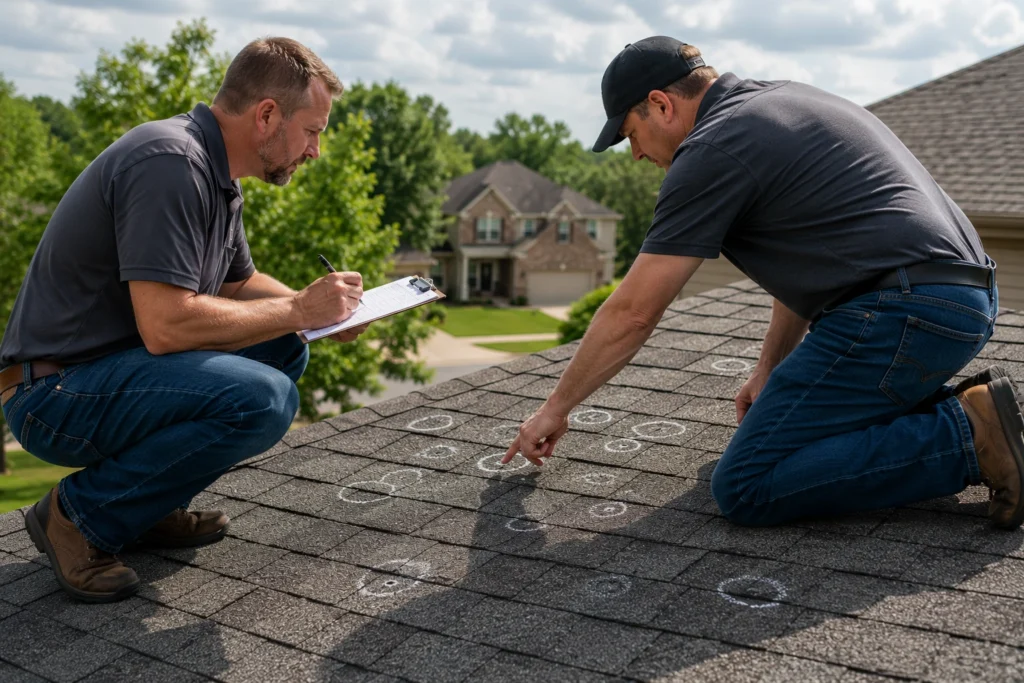
A proper hail inspection should involve:
- Close-up photography
- Roof slope analysis
- Soft metal testing
- Attic review
- Moisture evaluation
- Collateral damage inspection
Detailed evidence matters more than vague opinions.
Look Beyond the Shingles
Some of the strongest hail evidence appears outside the shingles themselves.
Inspectors should evaluate:
- Gutters
- Downspouts
- Roof vents
- AC fins
- Flashing
- Window beadings
- Garage doors
- Siding
Collateral damage often strengthens disputed claims significantly.
Interior Damage Can Strengthen the Claim
Water intrusion creates another layer of evidence.
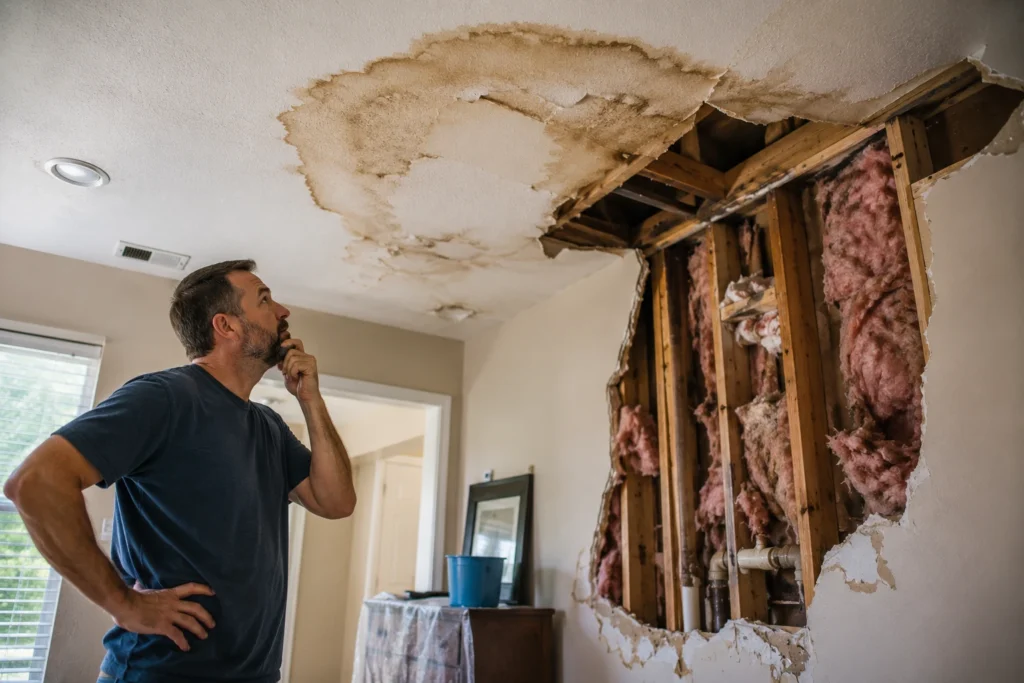
Look carefully for:
- Ceiling stains
- Bubbling paint
- Mold odors
- Damp insulation
- Wall discoloration
Even minor leaks may indicate storm-created openings that were initially missed.
Modern Technology Has Changed Inspections
Drone imaging and moisture detection tools now play major roles in claim investigations.
High-resolution imagery can help document:
- Impact patterns
- Lifted shingles
- Granule displacement
- Roof layout conditions
Clear visual evidence often becomes extremely important during appeals or reinspections.
Building Strong Evidence for a Disputed Hail Claim
This is where denied claims are often won or lost. Evidence. Not opinions.
Create a Storm Timeline
Build a simple timeline that includes:
| Event | Date |
| Storm occurrence | Insert date |
| Initial inspection | Insert date |
| Claim filed | Insert date |
| Adjuster inspection | Insert date |
| Denial received | Insert date |
Timelines help establish claim consistency and reduce confusion later.
Gather Before-and-After Photos
Historical photos can become powerful evidence.
Helpful sources include:
- Real estate listings
- Home inspection reports
- Family photos
- Drone images
- Contractor archives
Showing roof condition before the storm may help counter “pre-existing damage” arguments. Homeowners researching How to Document Hail Damage for an Insurance Claim often discover that detailed photo organization, weather records, contractor reports, and time-stamped inspection notes can significantly strengthen disputed or denied claims.
Save Every Receipt
Temporary mitigation costs matter.
Keep records for:
- Tarps
- Emergency repairs
- Water extraction
- Interior drying
- Contractor visits
Insurance disputes often expand beyond roofing alone.
Use Detailed Contractor Reports
Vague roofing estimates rarely help disputed claims.
Strong reports typically include:
- Measurements
- Line-item scopes
- Photo documentation
- Code references
- Material specifications
The more detailed the report, the harder it becomes to dismiss.
Understanding the Insurance Estimate
Many homeowners never fully review the carrier estimate itself.
That is a mistake.
What Is Xactimate?
Most insurance carriers use estimating software called Xactimate.
It creates line-by-line pricing based on:
- Labor rates
- Material costs
- Zip code pricing
- Market conditions
The software itself is not necessarily the issue. The issue is often what gets omitted from the scope.
Commonly Missing Roofing Components
Underpaid estimates frequently exclude critical items.
Examples include:
- Flashing replacement
- Starter rows
- Ridge caps
- Drip edge
- Detach and reset components
- Steep roof charges
- High charges
- Ventilation upgrades
These omissions can create thousands of dollars in gaps.
Supplements Matter More Than Many Homeowners Realize
A supplement is essentially an updated request for additional payment.
Supplements often address:
- Missed damage
- Code upgrades
- Additional labor
- Material price differences
- Hidden damage discovered later
Many Baytown, TX hail claims ultimately involve supplements.
Baytown, TX Building Codes Can Affect Claim Value
Roofing work must comply with local codes.
That may require:
- Additional underlayment
- Ventilation changes
- Flashing upgrades
- Fastener improvements
Ignoring code compliance creates future problems for homeowners.
Especially in storm-prone regions like Baytown.
When to File an Appeal on a Denied Hail Claim
If new evidence exists, an appeal may absolutely be worthwhile.
Internal Appeals Can Reopen Conversations
Many carriers allow homeowners to submit reconsideration requests.
This typically involves:
- Additional photos
- Contractor reports
- Engineering opinions
- Code documentation
New evidence can shift claim evaluations significantly.
Keep Reconsideration Requests Professional
Strong appeal letters are clear and evidence-based.
Focus on:
- Facts
- Documentation
- Specific disputed items
- Policy references
Avoid emotional accusations. Precision usually works better.
What Happens During Reinspections
Reinspections often involve:
- A second adjuster
- Contractor participation
- Additional measurements
- More detailed photo review
These meetings can dramatically alter claim outcomes when evidence is strong.
Persistence Matters
This part surprises many homeowners. Some denied claims eventually become partially or fully approved after multiple rounds of review. Not because the homeowner argued louder. Because the documentation improved.
When to Hire a Public Adjuster in Baytown, TX
Some disputes become too large or technical for homeowners to manage comfortably alone. That is where public adjusters sometimes enter the picture.
What Public Adjusters Actually Do
Public adjusters work on behalf of policyholders, not insurance carriers.
Their role may include:
- Reviewing policy language
- Preparing detailed scopes
- Organizing evidence
- Negotiating settlements
- Managing claim communication
The goal is typically to pursue a more complete evaluation of damages.
Situations Where Public Adjusters Often Help
Professional representation may become especially valuable when:
- Claims are denied repeatedly
- Large roofs are involved
- Commercial properties are affected
- Multiple structures sustained damage
- Supplemental disputes continue
Complex claims often require technical documentation.
Public Adjuster vs Insurance Adjuster
This distinction matters.
| Role | Represents |
| Insurance Adjuster | Insurance company |
| Public Adjuster | Policyholder |
That does not automatically make either side wrong. But it does explain why disagreements sometimes happen.
Questions to Ask Before Hiring Representation
Before hiring anyone, ask:
- Are you licensed in Baytown, TX?
- How much hail claim experience do you have?
- How is your fee structured?
- Can you explain your documentation process?
- Will you handle supplements?
Good communication matters just as much as technical knowledge.
Legal Options After a Denied Hail Claim
Sometimes disputes escalate beyond standard negotiations.
Understand Baytown, TX Claim Deadlines
Baytown, TX insurance disputes involve legal timelines. Waiting too long may reduce available options.
Important timing issues may include:
- Filing deadlines
- Appraisal deadlines
- Statutes of limitation
- Policy notice requirements
Organization becomes critical here.
Appraisal Clauses Can Resolve Certain Disputes
Many policies contain appraisal provisions.
This process typically involves:
- Each side selecting an appraiser
- An umpire resolving disagreements
- Independent valuation review
Appraisal may help when disputes center on scope or value rather than coverage itself.
Bad Faith Insurance Practices
Not every denial is improper. But some claim handling practices raise legitimate concerns.
Examples may include:
- Unreasonable delays
- Inadequate investigations
- Misrepresentation of policy language
- Ignoring submitted evidence
Documentation becomes extremely important if disputes move into legal territory.
When an Attorney May Become Necessary
Some situations justify legal review.
Especially when:
- Significant money is involved
- Severe underpayment exists
- Coverage interpretation becomes complicated
- Claim delays continue excessively
Legal escalation should usually be strategic, not impulsive.
Mistakes Homeowners Should Avoid After a Denial
Certain mistakes weaken disputed claims quickly. Avoid these whenever possible.
Accepting the Denial Immediately
Initial claim decisions are not always final. Second inspections and additional evidence frequently change claim outcomes.
Throwing Away Damaged Materials
Physical evidence matters.
Save damaged components whenever possible, including:
- Shingles
- Flashing
- Vent covers
- Gutters
Evidence preservation strengthens disputes.
Starting Repairs Without Documentation
Emergency mitigation is important. But document everything thoroughly before major repairs begin.
Take:
- Wide photos
- Mid-range photos
- Close-ups
- Video walkthroughs
You cannot recreate original storm evidence later.
Ignoring Small Interior Leaks
Tiny leaks rarely stay tiny. Water intrusion spreads quietly. Minor moisture issues today can become major structural repairs later.
Why Baytown, TX Hail Claims Are So Common
Baytown, TX weather creates ideal conditions for severe hail activity. Unfortunately, homeowners pay the price.
Baytown, TX Storm Patterns Are Aggressive
Large temperature swings and unstable atmospheric conditions regularly produce:
- Supercell storms
- Wind-driven hail
- Flash flooding
- Tornadic systems
Roofing systems across Baytown, TX face enormous stress annually.
Repeated Storm Exposure Accelerates Roof Wear
Even moderate storms create cumulative effects over time.
That includes:
- Granule displacement
- Seal strip weakening
- Flashing movement
- Impact bruising
Repeated storm seasons increase dispute complexity because carriers may argue damage accumulated gradually.
Baytown Homeowners Face Unique Weather Challenges
Baytown properties often experience:
- Coastal humidity
- Wind-driven rain
- Severe thunderstorms
- Hurricane-related weather systems
These conditions create ongoing roofing vulnerabilities. And when multiple storms hit over several years, documenting damage timing becomes even more important.
Preventing Future Hail Claim Problems
The best time to prepare for the next claim is before the next storm arrives. Seriously. Preparation changes outcomes.
Maintain Organized Home Records
Keep:
- Inspection reports
- Roof warranties
- Repair invoices
- Contractor photos
- Claim paperwork
Future claims often depend heavily on historical documentation.
Schedule Routine Roof Inspections
Annual inspections help establish roof condition history. That can become extremely valuable later during disputed claims.
Upgrade Impact-Resistant Roofing Materials
Some modern roofing systems provide better hail resistance.
Potential benefits may include:
- Reduced damage
- Longer roof lifespan
- Potential premium discounts
Not every upgrade eliminates storm risk entirely, but stronger materials can help reduce exposure.
Understand Your Policy Before Storm Season
Most homeowners only read their policy after damage happens. That is backwards.
Review:
- Deductibles
- Cosmetic exclusions
- Roof schedules
- ACV endorsements
- Coverage limitations
Understanding coverage early prevents surprises later.
How Insurance Companies Evaluate Roof Damage After a Baytown, TX Hailstorm
One of the biggest misunderstandings homeowners have during disputed claims is assuming the insurance company evaluates damage the same way a roofing contractor does. That rarely happens. Insurance adjusters are typically trained to determine whether damage meets policy thresholds for coverage. Roofing contractors, meanwhile, often focus on whether the roof can realistically function long-term after impacts occur. Those are two very different conversations.
For example, an adjuster may identify only a limited number of impacted shingles and conclude the roof remains repairable. A contractor may look at the same roof and identify broader concerns involving seal strip failure, brittle shingles, discontinued materials, or slope inconsistency. This difference in perspective is one reason disputes happen so frequently.
After large Baytown, TX storm events, insurance carriers also face enormous claim volume. Hundreds. Sometimes thousands. That creates pressure to move inspections quickly. When inspections move quickly, details can be missed. That is why homeowners dealing with denied or underpaid claims should never rely exclusively on a five-minute roof inspection.
The Financial Impact of an Underpaid or Denied Hail Claim
Many homeowners initially focus only on the roof itself. But denied claims often create much larger financial consequences over time. A roof leak rarely stays isolated.
Water intrusion can eventually affect:
- Insulation
- Drywall
- Framing
- Electrical systems
- Flooring
- Cabinets
- Interior paint
- HVAC efficiency
Even small unresolved leaks may quietly worsen month after month. There is also another issue many homeowners overlook: property value. Visible roof damage or unresolved insurance disputes can create challenges during home sales. Buyers often ask questions involving:
- Prior claims
- Roof age
- Repair history
- Open damage issues
- Insurance documentation
Strong documentation protects more than the current claim. It also protects long-term property value.
Final Thoughts
Dealing with a denied hail claim is exhausting. There is no easy way to describe it. You pay premiums for years expecting protection when storms hit. Then a denial letter arrives, and suddenly the process feels adversarial instead of supportive. But homeowners should remember something important: denied claims are not always dead claims.
Many disputes improve after stronger inspections, better documentation, supplemental evidence, and professional claim management. Some require persistence. Others require technical expertise. A few may eventually require legal review. The key is avoiding panic and focusing on evidence.
If you are researching What to Do If Your Hail Claim Was Denied in Baytown, TX, the most valuable thing you can do right now is stay organized, stay proactive, and avoid accepting incomplete answers too quickly. Especially in storm-prone communities like Baytown, where severe weather remains an ongoing reality, homeowners who document carefully and respond strategically often place themselves in a far stronger position during insurance disputes. Because at the end of the day, insurance companies make decisions based on evidence. And strong evidence changes conversations.
FAQs
Yes, many denied hail claims can be reopened if you provide stronger documentation, updated inspections, or additional evidence.
The timeline depends on your insurance policy and Baytown, TX legal deadlines, so it is important to act quickly after receiving the denial.
Absolutely. A second inspection may uncover damage or code issues the original adjuster missed.
Clear photos, weather reports, contractor estimates, inspection reports, and repair receipts can all strengthen your case.
Yes, carriers often argue roof damage resulted from aging rather than storms, which is why detailed inspections are critical.
A supplement is a request for additional payment when damage, code upgrades, or missing items were not included in the original estimate.
Public adjusters may help when claims are complex, underpaid, or repeatedly denied.
The insurance company may send another adjuster to review the property, evaluate new evidence, and reassess the damage.
Yes, water intrusion and interior staining may support evidence of storm-created roof openings.
Baytown, TX experiences frequent severe storms, large hail events, and high wind activity that regularly damage roofing systems.