
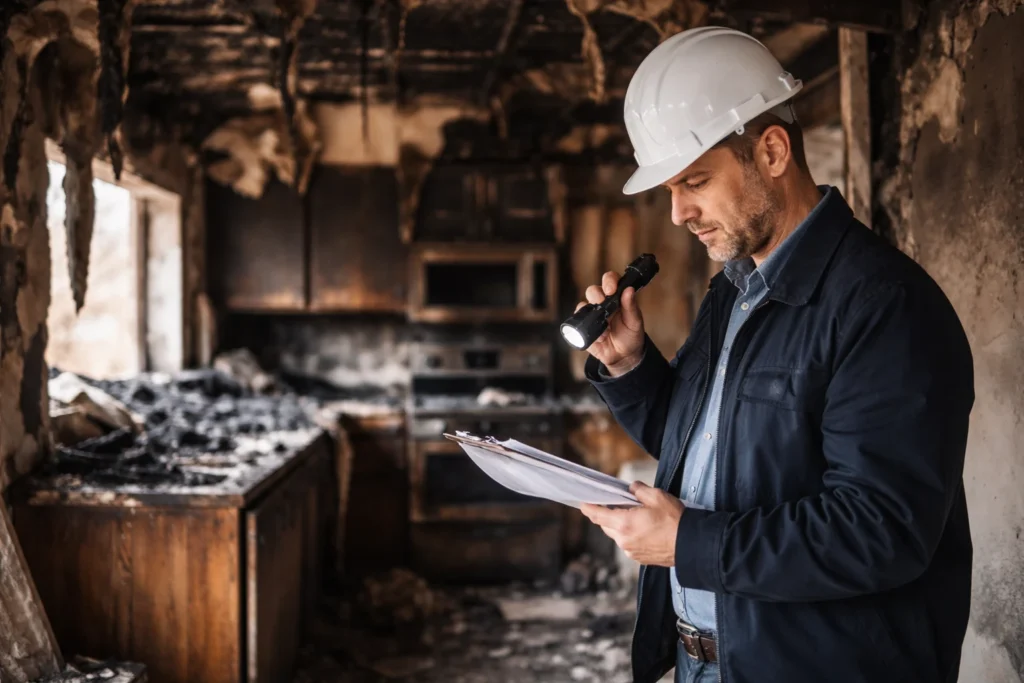
A house fire changes everything in an instant. One moment you’re living your routine, and the next you’re staring at smoke, damage, and a long road ahead. This is exactly where a fire insurance adjuster becomes one of the most important people in your recovery process. Not later. Not after things get complicated. Right from the start.
I’ve seen homeowners try to handle claims alone. Some do okay. Many don’t. The difference usually comes down to one thing understanding how the claims process actually works and who is really on your side. Let’s break it down clearly, without fluff, so you know exactly what to expect and how to protect your claim.
What Is a Fire Insurance Adjuster?
A fire insurance adjuster is a professional who evaluates property damage after a fire and determines how much the insurance company should pay. Simple definition. Big impact. But here’s where things get interesting. Not all adjusters are the same.
There are three types you’ll encounter:
- Insurance Company Adjuster
Works directly for your insurance company. Their job is to assess damage and control costs. - Independent Adjuster
Contracted by insurance companies during high claim volumes. Still represents the insurer. - Public Adjuster
Works for you, the policyholder. Their goal is to maximize your settlement.
That last one matters. A lot. Because when you’re dealing with a fire loss, you’re not just filing paperwork—you’re negotiating your financial future.
What Does a Fire Insurance Adjuster Actually Do?
Let’s get practical. A fire insurance adjuster doesn’t just walk through your property and write a number on a clipboard. The process is detailed, layered, and sometimes surprisingly technical.
Here’s what they actually handle:
- Inspect the property thoroughly (not just visible damage)
- Document structural damage, smoke damage, and water damage from firefighting efforts
- Create detailed reports and estimates
- Interpret your insurance policy coverage
- Calculate repair or replacement costs
- Negotiate settlement amounts
A good adjuster goes beyond the obvious. For example, fire behavior itself can be complex, often involving phenomena like pyrolysis, where materials break down under extreme heat and release gases that continue to fuel the fire. Understanding these deeper effects helps explain why damage extends far beyond what you can see. Miss those details, and you leave money on the table.
The Claims Process After a Fire (Step-by-Step)
Most homeowners underestimate how complex this process is. Let’s simplify it.
Step 1: Immediate Response
- Ensure safety first
- Contact your insurance company
- Secure the property if possible
Step 2: File the Claim
- Provide basic details about the fire
- Start documentation immediately (photos, videos)
Step 3: Adjuster Inspection
- Insurance company sends a fire insurance adjuster
- Initial evaluation begins
Step 4: Damage Assessment
- Estimates are created
- Coverage is reviewed
Step 5: Negotiation
- This is where things often get tense
- Offers and counteroffers happen
Step 6: Settlement
- Final payout is issued
Here’s the reality: delays and disagreements often show up in Steps 4 and 5. That’s where expertise makes a real difference.
Insurance Adjuster vs Public Adjuster What’s the Difference?
This is one of the most important distinctions you’ll ever understand during a claim.
| Feature | Insurance Adjuster | Public Adjuster |
| Who they work for | Insurance company | You (policyholder) |
| Primary goal | Control costs | Maximize payout |
| Payment | Salary/contract | % of settlement |
| Advocacy | Limited | Full representation |
Think of it this way. One is evaluating your loss from the insurer’s perspective. The other is fighting to make sure nothing gets overlooked.
When Should You Hire a Fire Insurance Adjuster?
Timing matters. A lot. You don’t want to wait until things go wrong. You want to act before they do.
Here are situations where hiring a fire insurance adjuster is critical:
- Total or near-total property loss
- Significant structural damage
- Business interruption claims
- Disputes over claim value
- Confusing or unclear policy language
And here are warning signs:
- The insurance company’s offer feels low
- Communication slows down or becomes vague
- You’re overwhelmed by paperwork
If you feel unsure, that’s your signal. Don’t ignore it.
How a Fire Insurance Adjuster Maximizes Your Claim
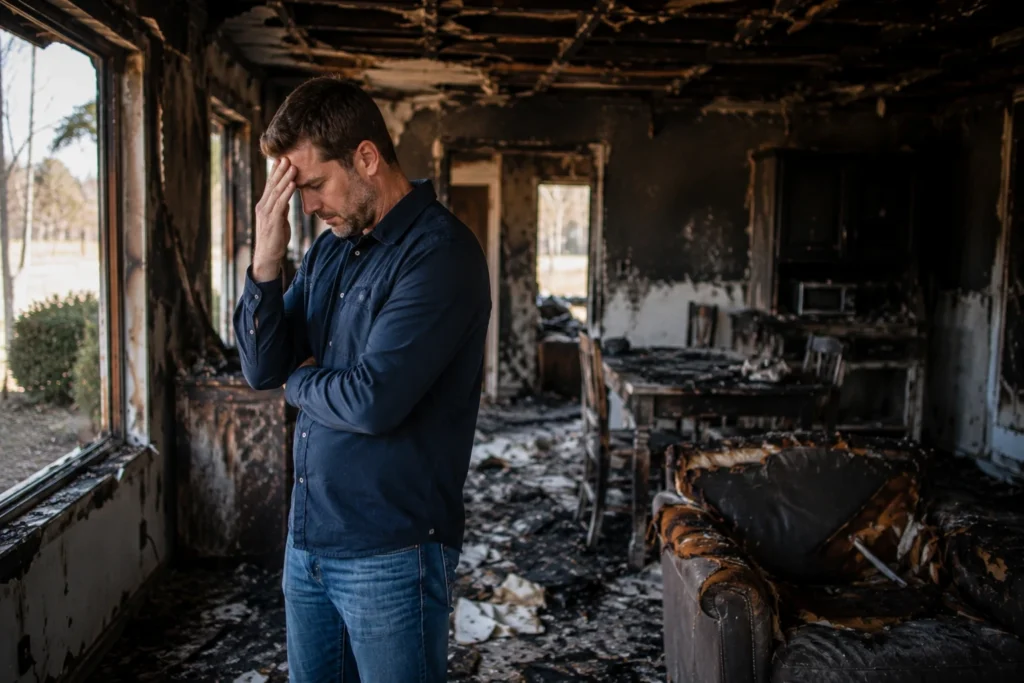
This is where real value shows up. A skilled fire insurance adjuster doesn’t just document damage they build a strong, detailed claim that holds up under scrutiny.
1. Detailed Documentation
They itemize everything. Not just big-ticket items, but:
- Cabinets
- Flooring layers
- Wiring systems
- Personal belongings
2. Identifying Hidden Damage
Fire damage is rarely surface-level:
- Smoke penetrates deep into materials
- Heat weakens structures
- Water causes secondary issues
3. Policy Interpretation
Insurance policies are dense. A good adjuster knows how to:
- Identify overlooked coverage
- Apply endorsements correctly
- Push back when claims are undervalued
4. Strategic Negotiation
This isn’t emotional. It’s calculated.
They present evidence, challenge estimates, and push for fair value.
Common Mistakes Homeowners Make After a Fire
- Accepting the first offer too quickly
- Failing to document everything
- Throwing away damaged items prematurely
- Misunderstanding policy limits
- Trusting the insurance adjuster to “handle everything”
The biggest mistake? Assuming the process is simple. It’s not.
How to Choose the Right Fire Insurance Adjuster in Baytown
- Proper licensing in Texas
- Experience with fire claims
- Local knowledge
- Transparent fees
- Strong reviews
Ask direct questions. Get clear answers.
What Does a Fire Insurance Adjuster Cost?
- Typically 10% of the settlement
- No upfront fees in most cases
- Paid only when you get paid
Think of it as an investment in getting your claim right.
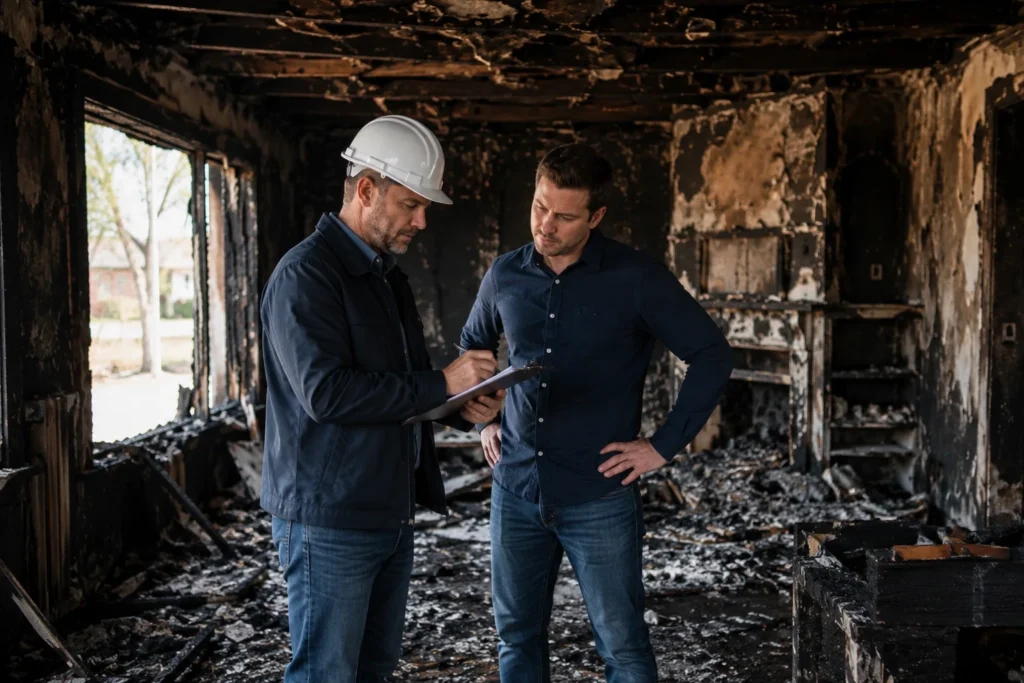
Timeline How Long Does a Fire Insurance Claim Take?
- Small claims: weeks
- Larger claims: months
Factors include:
- Damage severity
- Documentation quality
- Negotiation complexity
A strong fire insurance adjuster can keep things moving.
Final Thoughts: Is Hiring a Fire Insurance Adjuster Worth It?
If your claim is small, you may handle it alone. If it’s significant, don’t risk it. A fire insurance adjuster brings expertise, structure, and advocacy when you need it most. And when everything feels uncertain, that kind of clarity matters more than ever.
FAQs
A fire insurance adjuster evaluates property damage after a fire and determines how much the insurance company should pay.
If your damage is significant or your claim feels complex, hiring a fire insurance adjuster can help ensure you receive a fair settlement.
An insurance adjuster works for the insurer, while a public adjuster represents you and advocates for a higher payout.
Most public adjusters charge a percentage of the final settlement, typically between 10%.
Yes, but without experience, you may overlook damages or accept a lower settlement than you deserve.
It can take a few weeks for minor claims or several months for larger, more complex losses.
You can appeal the decision, provide additional documentation, or hire a public adjuster to reassess and challenge the denial.
In most cases, it actually speeds up the process by improving documentation and reducing back-and-forth with the insurer.
Yes, they assess all related damages, including smoke residue and water damage from firefighting efforts.
For large or disputed claims, the increased settlement often outweighs the adjuster’s fee.