
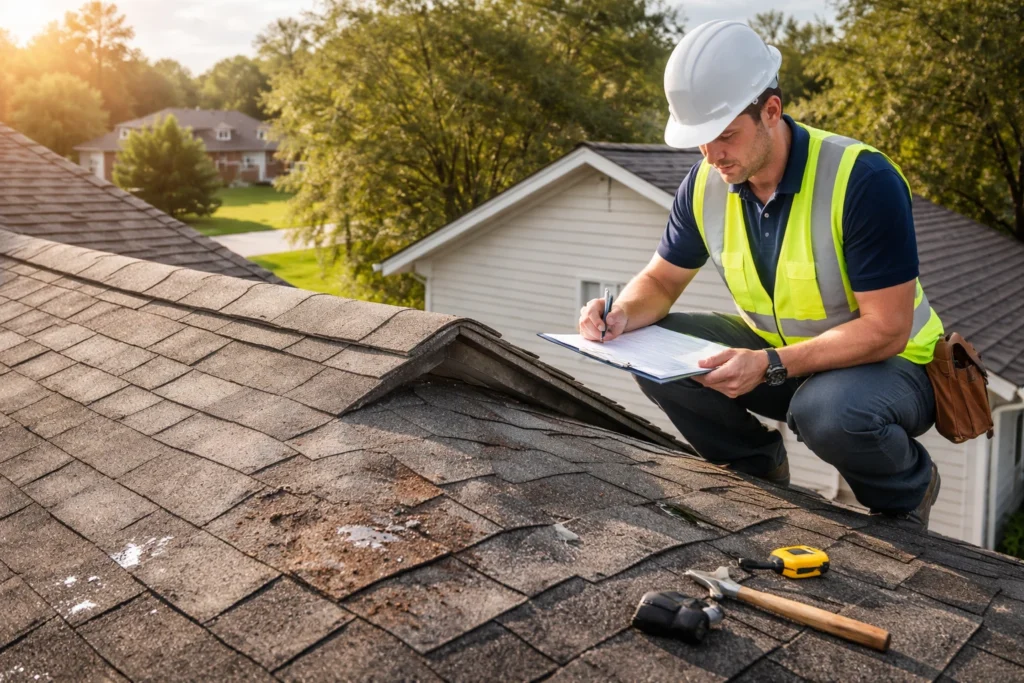
Storms don’t politely ask permission before tearing across Baytown. They hit fast. Hard. And when they leave, your roof often takes the brunt of it. That’s where a roofing public adjuster becomes more than helpful — they become essential.
If you’ve ever filed a roof claim and felt unsure about the inspection, confused by the estimate, or frustrated by a settlement that felt too low, you’re not alone. I’ve seen it countless times. The numbers don’t add up. The scope feels incomplete. And suddenly you’re left wondering whether your policy is working for you… or against you.
Let’s break this down clearly. No fluff. Just facts, strategy, and practical guidance for Baytown property owners.
What Is a Roofing Public Adjuster?
A roofing public adjuster is a licensed insurance professional who represents you — not the insurance company — in a roof-related property claim.
That distinction matters.
There are three types of adjusters involved in most property claims:
- Insurance company adjuster – Works for the carrier.
- Independent adjuster – Hired by the carrier during busy storm seasons.
- Public adjuster – Hired by the policyholder.
A roofing public adjuster specializes specifically in roof damage claims. That means they understand:
- Shingle systems
- Underlayment and decking
- Flashing assemblies
- Texas windstorm codes
- Matching laws
- Supplement strategies
In Texas, public adjusters must be licensed by the state and follow strict regulatory guidelines. They are legally allowed to interpret policy language, document damage, prepare estimates, and negotiate directly with the insurance carrier on your behalf.
A roofing contractor cannot do that. More on that shortly.
Why Roofing Claims Are So Frequently Underpaid
Roof claims are among the most disputed property insurance claims. Not because damage doesn’t exist. But because it’s often minimized.
Here’s what typically happens:
- A storm hits Baytown.
- A homeowner files a claim.
- An adjuster inspects the roof — sometimes quickly.
- The insurance company issues a repair estimate.
And that estimate often covers only surface-level damage.
Common Reasons Roof Claims Get Reduced
- “Repair instead of replace” determinations
- Limited test squares for hail
- Depreciation calculations
- Overlooked flashing or accessories
- Damage categorized as wear and tear
The issue isn’t always bad faith. Sometimes it’s simply volume. After Gulf storms, carriers process thousands of claims. Inspections can be rushed.
That’s where a roofing public adjuster changes the equation.
They slow the process down. They document thoroughly. And they demand accuracy.
Common Roof Damage in Baytown, Texas
Baytown sits in a high-risk storm corridor. That’s not speculation. It’s geography.
1. Hail Damage
Hail can bruise shingles in ways that aren’t visible from the ground. The granules loosen. The mat fractures. Over time, leaks form.
Look for:
- Circular bruising
- Granule loss
- Soft spots when pressed
2. Wind Damage
Strong gusts lift shingles and break the seal strip underneath. Even if shingles fall back into place, the seal may be compromised.
Watch for:
- Creased shingles
- Missing tabs
- Displaced ridge caps
3. Hurricane & Tropical Storm Impact
Wind-driven rain is particularly destructive. Water travels sideways. It gets beneath flashing. It infiltrates decking.
4. Heat & Humidity Aging
Baytown’s heat accelerates shingle deterioration. That doesn’t mean damage isn’t storm-related. But carriers may attempt to attribute loss to age.
A roofing public adjuster understands how to distinguish storm damage from normal wear.
When Should You Hire a Roofing Public Adjuster?
Timing matters.
Here are clear scenarios when hiring a roofing public adjuster makes strategic sense:
After a Claim Denial
If your roof claim was denied and you disagree with the findings, professional review is critical.
After a Low Settlement Offer
If the estimate doesn’t reflect what contractors are quoting, there’s a gap worth investigating.
When Damage Is Widespread
Large commercial or multi-unit residential properties require detailed line-item documentation.
When Policy Language Is Confusing
Insurance contracts are dense. A roofing public adjuster translates that language into actionable strategy.
When You Want Negotiation Support
You don’t have to face the carrier alone.
Roofing Public Adjuster vs Roofing Contractor
Let’s clarify something important.
| Roofing Contractor | Roofing Public Adjuster |
| Performs repairs and replacement | Represents the policyholder |
| Identifies visible damage | Documents, estimates, negotiates |
| Cannot interpret insurance policy | Licensed to interpret policy |
| Paid for construction | Paid to maximize settlement |
They serve different roles. Both are valuable.
A strong claim often involves collaboration: the contractor identifies scope requirements, while the roofing public adjuster ensures the insurance settlement properly funds those repairs.
One builds the roof. The other secures the funding.
The Roofing Public Adjuster Claim Process
Here’s how it typically unfolds.
Step 1: Policy Review
Your adjuster reviews coverage details:
- Replacement cost vs ACV
- Deductibles
- Ordinance and law coverage
- Exclusions
This shapes strategy immediately.
Step 2: Comprehensive Roof Inspection
Not a quick glance.
A detailed inspection includes:
- Test squares for hail impact
- Flashing assessment
- Vent and ridge evaluation
- Underlayment condition
Photos. Measurements. Notes. Thorough documentation.
Step 3: Damage Estimation
The roofing public adjuster prepares a line-item estimate using industry-standard software. Every component is accounted for.
Shingles. Drip edge. Starter strips. Flashing. Labor. Disposal.
Nothing left vague.
Step 4: Claim Filing or Reopening
If you haven’t filed yet, they prepare the claim properly. If you already filed, they may reopen or supplement.
Step 5: Negotiation
This is where experience matters.
They communicate directly with the carrier, address discrepancies, respond to engineering reports, and challenge incomplete scope items.
Step 6: Settlement Resolution
Once agreement is reached, you receive the proper payout under your policy.
How a Roofing Public Adjuster Maximizes Settlement
Maximizing isn’t about inflating. It’s about accuracy.
Here’s where value often appears:
Overlooked Line Items
- Ice and water shield
- Drip edge replacement
- Valley metal
- Chimney flashing
- Step flashing
- Ridge ventilation
Code Compliance Upgrades
Texas building codes evolve. If your policy includes ordinance and law coverage, upgrades may be covered.
Many initial estimates omit these.
Matching Laws
If part of your roof is damaged and replacement materials cannot match, replacement of larger sections may be justified.
Supplement Strategy
If additional damage appears during tear-off, your roofing public adjuster handles supplemental negotiations.
That’s real leverage.
Baytown Case Scenario
Let me give you a practical example.
A Baytown homeowner received a $6,800 repair estimate for partial shingle replacement after a windstorm.
The contractor quoted $18,500 for full replacement due to widespread creasing.
A roofing public adjuster conducted a second inspection, documented 14 wind-creased slopes, and identified damaged flashing the carrier had missed.
After negotiation, the settlement increased to $19,200.
That difference changed everything.
What to Look for in a Roofing Public Adjuster in Baytown
Not all adjusters are equal.
Here’s what to evaluate:
Texas License Verification
Confirm through the Texas Department of Insurance.
Local Storm Experience
Baytown weather patterns are unique. Experience here matters.
Transparent Fee Structure
Most operate on a percentage of settlement. Understand it clearly.
No Upfront Construction Tie-Ins
Adjusters should not require you to use a specific contractor.
Clear Communication
If they can’t explain the process simply, that’s a red flag.
What Does It Cost?
Most roofing public adjusters work on a contingency basis.
That means:
- No upfront fees
- Payment is a percentage of the insurance recovery
If the settlement increases, they are compensated from that recovery.
The question becomes simple: does professional representation increase your net outcome?
In many cases, yes.
Actionable Steps You Can Take Today
If you suspect roof damage:
- Photograph visible exterior damage.
- Review your policy for replacement cost coverage.
- Avoid signing repair contracts tied to claim outcomes prematurely.
- Consider a second opinion before accepting a settlement.
- Consult a roofing public adjuster if numbers don’t align.
Small steps. Big protection.
Why This Matters More Than Ever
Insurance companies have experts on their side.
Engineers. Adjusters. Estimators.
Why wouldn’t you?
A roof isn’t cosmetic. It protects structure, interior finishes, and everything inside your property. Underfunding that repair can create long-term risk.
Moisture intrusion compounds over time. Mold follows. Structural rot develops quietly.
The cost of under-settlement isn’t always immediate. But it eventually surfaces.
Final Thoughts for Baytown Property Owners
If your roof has suffered storm damage, you deserve a complete evaluation. Not a rushed inspection. Not a surface-level estimate.
A roofing public adjuster levels the playing field.
They read the fine print. They climb the roof. And they document carefully. They negotiate firmly.
And most importantly, they represent you.
Storms are unpredictable. Your claim process shouldn’t be.
If you’re unsure about your roof claim in Baytown, seek clarity before signing off on anything. A second look could make a significant difference.
Your roof is your first line of defense.
Make sure your claim defends it properly.
FAQs
A roofing public adjuster represents you in roof-related insurance claims, documenting damage and negotiating with the carrier on your behalf.
For small, straightforward claims you may not, but if the payout seems low or unclear, professional review can protect your interests.
Yes, in many cases claims can be reopened if additional damage or overlooked items are discovered within the policy timeframe.
Most work on a contingency fee, meaning they are paid a percentage of the settlement they help secure.
No, your premium is based on your claim and policy terms, not on whether you hire representation.
Timelines vary, but having a roofing public adjuster often streamlines communication and reduces delays.
A contractor performs repairs, while a roofing public adjuster interprets your policy and negotiates the insurance settlement.
Yes, you can bring one in at almost any stage of the claim process, including after receiving an initial estimate.
Yes, all public adjusters in Texas must be licensed and regulated by the state.
You can still have a roofing public adjuster review the offer to determine whether it fully covers documented damage.